


To use our advanced search functionality (to search for terms in specific content), please use syntax such as the following examples:
- Armageddon Magazine Article
- Apology Commentary
- Europe News & Prophecy
- Christmas Telecast
- Baptism Booklet
- Sabbath Roderick C. Meredith
- Abortion Gerald Weston
This One Sin CANNOT Be Forgiven
Whiteboard: This One Sin CANNOT Be Forgiven
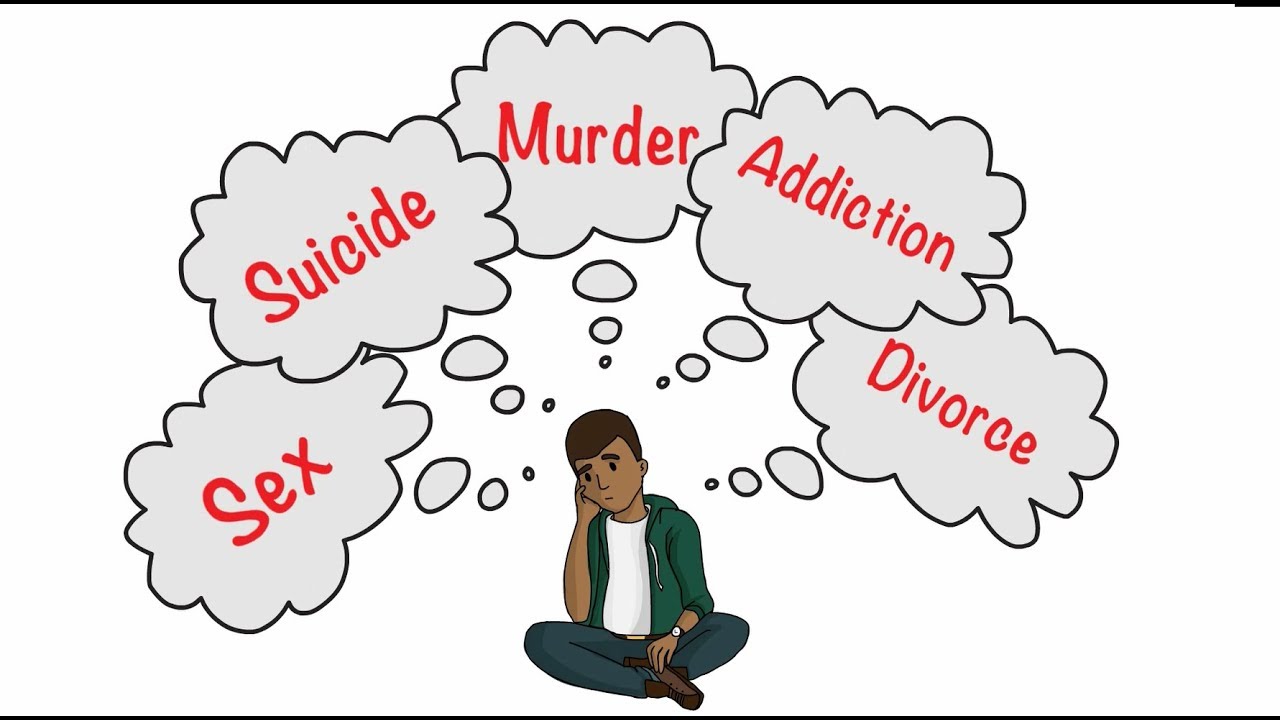
Jesus said all sin can be forgiven—except one! And its penalty is the second death in lake of fire. How can you know if you’ve committed this one unforgivable sin? What is the unpardonable sin in the Bible?
[The text below is an edited version of this Tomorrow’s World whiteboard.
What Is the Unforgivable Sin?
Jesus said all sin can be forgiven—except one.
The penalty for this sin is the second death in lake of fire (Mark 3:28-29; 1 John 5:16; Hebrews 10:27; Revelation 20:14).
Many have thought they or someone they know are in danger because of it.
Some say it’s sins of sex, murder, or hurting children.
Some have said divorce, suicide, or even repeated sins.
Many simply feel they have done so much wrong in life, they could never be forgiven.
So how can a person know if they’ve committed this one unforgivable sin? And is there hope for those who think they have?
Let’s see what the Bible says about this unpardonable sin.
Jesus told the Jewish leaders of His day:
“Every sin and blasphemy will be forgiven men, but blasphemy against the Spirit will not be forgiven” (Matthew 12:31).
What Is Blasphemy Against the Holy Spirit?
But what does it mean to “blaspheme the Spirit?” Does this mean that if a person has ever said anything against the Holy Spirit, they’re doomed to the lake of fire?
No. This is not what He meant
In fact, they had just accused Him of performing miracles by the spirit of Satan.
Yet, He didn’t tell them they HAD blasphemed the Spirit. Rather, He was warning them that they were in danger of it.
So what did He mean, “to blaspheme the Spirit”?
When the Jewish leaders made these claims, they knew it wasn’t true. They watched Him heal people, cast out demons, and do other miracles. They actually knew the scriptures intimately, and they knew the OT prophecies concerning the Messiah were happening right in front of their eyes.
One of the Pharisees even told Him:
“We know You are a teacher come from God; for no one can do these signs that You do unless God is with Him” (John 3:2).
And yet in an effort to dissuade His followers and elevate their own status, they claimed what He did was not of God but of Satan.
It was not done unknowingly. Rather, it was with a full knowledge of what they were doing.
This unpardonable sin cannot be committed in ignorance or weakness.
It can’t be committed by a person who genuinely believes there is no God, or even questions if God exists.
Rather, like the Jewish leaders who understood the Scripture, and had the Messiah standing in front of them, this sin can only be committed by those who have an intimate knowledge of God, His Word, His way of life, and the work of the Holy Spirit in their lives.
This unforgivable or unpardonable sin can only be committed with a full knowledge and understanding of what one is doing. It cannot be committed in ignorance, deception, or weakness.
Willful Sin vs. Sinning in Weakness
And it actually has to do with one’s attitude.
Hebrews 10:26 says:
For if we sin willfully after we have received the knowledge of the truth, there no longer remains a sacrifice for sins.
Hebrews 6 says:
It is impossible for those who were once enlightened… and have become partakers of the Holy Spirit, and have tasted the good word of God… to renew them again to repentance (Hebrews 6:4–6).
So a person must first have had a clear understanding of the truth of Scripture—and God’s way of life.
Then, they must intentionally, purposefully, and willfully reject God and His way of life.
The difference between sinning willfully and sinning willingly is that willful sin is a fully deliberate act and attitude to never repent of sin.
- Someone who sins willfully is not blinded like most of the world is now.
- They have a knowledge of the truth—they know the effect of Christ’s sacrifice and they profane it.
- He or she has a conscience seared to do evil (1 Timothy 4:2).
On the other hand, everyone sins willingly (Romans 11:32).
When we sin willingly, we’re very aware of what we’re doing, and we’re in control.
But it’s done in weakness, ignorance, deception, or by habit.
Even Christians who have repented of their previous way of life, and accepted Jesus’ sacrifice still fall short, and sin willingly, yet in weakness, and against their better judgment.
Paul described this dilemma in Romans 7:19.
For the good that I will to do, I do not do; but the evil I will not to do, that I practice.
It is this sin that Christ died for. So that once a person repents and asks forgiveness:
He is faithful and just to forgive us our sins (1 John 1:9).
Refusing to Repent, Fully Knowing the Consequences
The sin that can’t be forgiven is the intentional, willful sin of deciding to never repent again after having received a knowledge of the truth and had God’s Spirit work in one’s life.
This kind of sinner will never even entertain the thought of repenting or desiring to return to God’s way of life.
And they do it while understanding the consequences of being burned up in the lake of fire.
As Hebrews 10:26 points out:
For if we sin willfully after we have received the knowledge of the truth, there no longer remains a sacrifice for sins, but a certain fearful expectation of judgment, and fiery indignation.
Because he or she:
…has trampled the Son of God underfoot, counted the blood of the covenant by which he was sanctified a common thing, and insulted the Spirit of grace (Hebrews 10:29).
It is this conscious, willful act of determining never to repent of sin and accept the blood of Christ that insults and blasphemes the Holy Spirit.
So unless a person is in purposeful defiance of the God they have proven exists, they have not insulted or blasphemed the Spirit, and therefore have not committed the unpardonable sin.
But even if you, or someone you know, thinks they may have committed this sin, it is not too late. God is profoundly merciful, and if you are committed to changing your life, truly sorry for your sins, and truly repentant, then you will be forgiven.
You can be reconciled and “brought near by the blood of Christ” (Ephesians 2:13).
Most of the world both now, and throughout history have not repented and won’t repent in this life. Yet, they have not done it willfully. They’ve been deceived.
If you want to know what happens to them, watch our video explaining what happens after death.
Thanks for watching!