


To use our advanced search functionality (to search for terms in specific content), please use syntax such as the following examples:
- Armageddon Magazine Article
- Apology Commentary
- Europe News & Prophecy
- Christmas Telecast
- Baptism Booklet
- Sabbath Roderick C. Meredith
- Abortion Gerald Weston
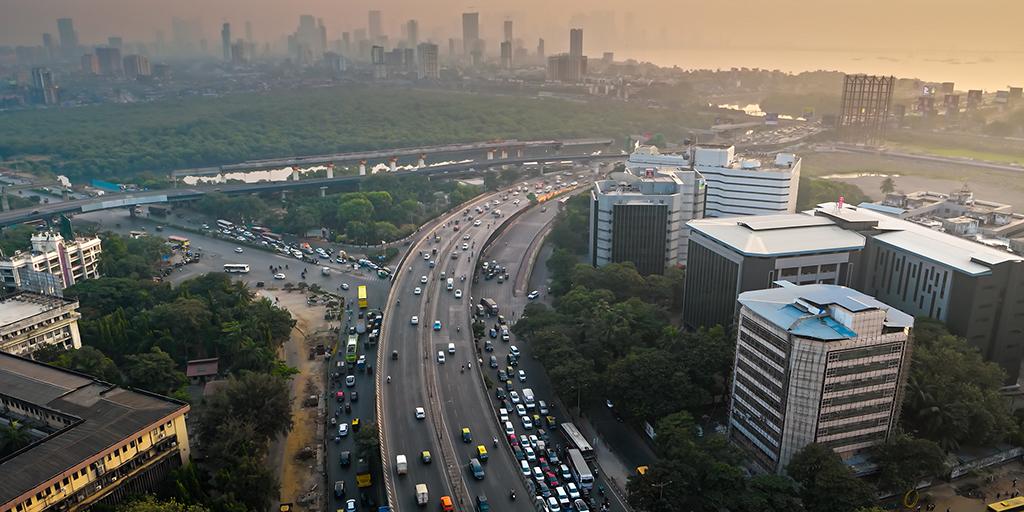
South Asia’s Deadly Air
What was once seasonal air pollution due to weather factors and fireworks has now become a year-round condition across India and South Asia (Foreign Policy, December 19, 2025). Many liken India’s air pollution problem to that of China a decade ago. The difference is that China moved quickly to change laws and regulations and drastically improved its air quality. The Indian government on the other hand has essentially normalized pollution. With air pollution three times higher than what is considered safe, some Indian authorities are now questioning the validity of the pollution standards. All the while, many Indians are able to literally see the air they are breathing.
According to a 2023 World Bank report, “Air pollution causes an estimated 2 million premature deaths annually in the region, and efforts to improve the air quality could save more than 750,000 lives each year.” One expert noted that the primary contributors to air pollution in this densely populated region of the world include “residential cooking with solid fuel, such as wood and coal; waste burning; industrial and vehicular emissions; and occasional wildfires.” Sadly, attempts at improving the situation have not been effective. Efforts are usually regional rather than national—and even when policies are put in place, there is little enforcement.
Mankind is under the sway of “the god of this age” (2 Corinthians 4:4). This is very apparent when we examine pollution. The Apostle Paul wrote that the creation is held captive under “the bondage of corruption” (Romans 8:19–22), groaning in agony under the custodianship of a sinful mankind. This is one more reason to pray, “Your kingdom come.” Christ will return, and when He does, His saints will assist in bringing to God’s creation “the glorious liberty of the children of God” (v. 21). You can learn more about this glorious future by reading or listening to Prophecy Fulfilled: God’s Hand in World Affairs.