


To use our advanced search functionality (to search for terms in specific content), please use syntax such as the following examples:
- Armageddon Magazine Article
- Apology Commentary
- Europe News & Prophecy
- Christmas Telecast
- Baptism Booklet
- Sabbath Roderick C. Meredith
- Abortion Gerald Weston
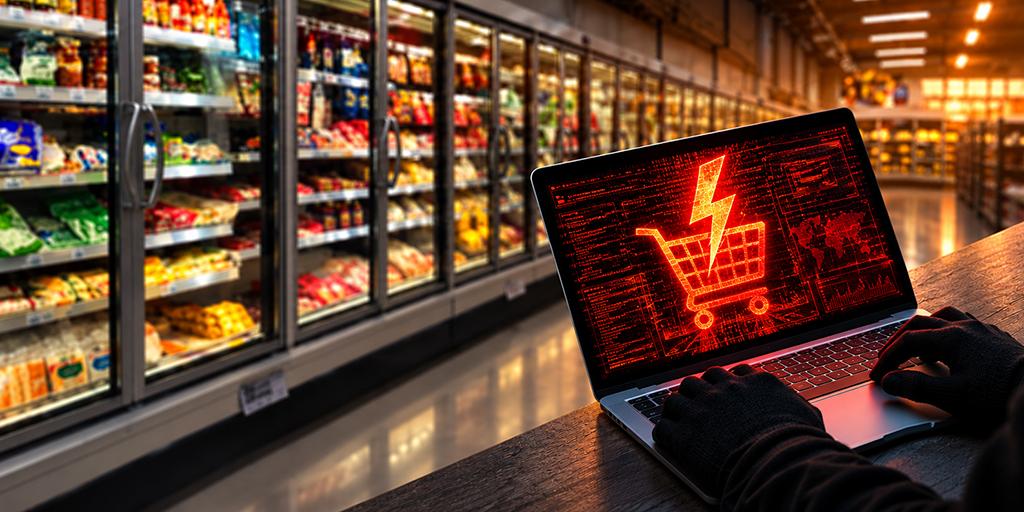
Cyberattack on Grocery Stores
Use of the Internet has become commonplace, even in areas we would likely not expect. For example, many grocery stores now monitor and adjust refrigeration temperatures by means of Internet-connected systems. Yet these operational technologies that make food stocks easier to manage also make them vulnerable to malicious attacks. This was the case with a recent cyberattack in which “hackers raised the temperature of refrigerators and freezers at hundreds of French supermarkets to as high as 50 degrees Celsius (122 degrees Fahrenheit) overnight, causing fires and spoiling food” (Reuters, October 13, 2026).
Dominique Schelcher, CEO of the French supermarket group Coopérative U, noted the severe nature of the crime, stating, “Targeting equipment essential to the preservation of fresh products and to the food supply of the French people is of extreme gravity and is unprecedented.” Hackers may have accessed the refrigeration units by exploiting outdated software. As of this writing, law enforcement officials have not publicly identified the hackers themselves.
But the attack in France was not unique. A cyber analyst from Sekoia Threat Detection and Research reported that Belgium, Germany, Poland, Portugal, and Spain had also been affected. These attacks are similar to an attack on refrigeration units in “about a dozen US military commissaries in late August.”
As cyberattacks target civilian food supplies, such vulnerabilities should call to mind the Bible’s warnings about what happens, particularly in Israelite-descended nations, when God’s laws are disobeyed (Leviticus 26:14–26; Deuteronomy 28:15–19). To learn more, read our brief commentary “Bread and Milk.”