


To use our advanced search functionality (to search for terms in specific content), please use syntax such as the following examples:
- Armageddon Magazine Article
- Apology Commentary
- Europe News & Prophecy
- Christmas Telecast
- Baptism Booklet
- Sabbath Roderick C. Meredith
- Abortion Gerald Weston
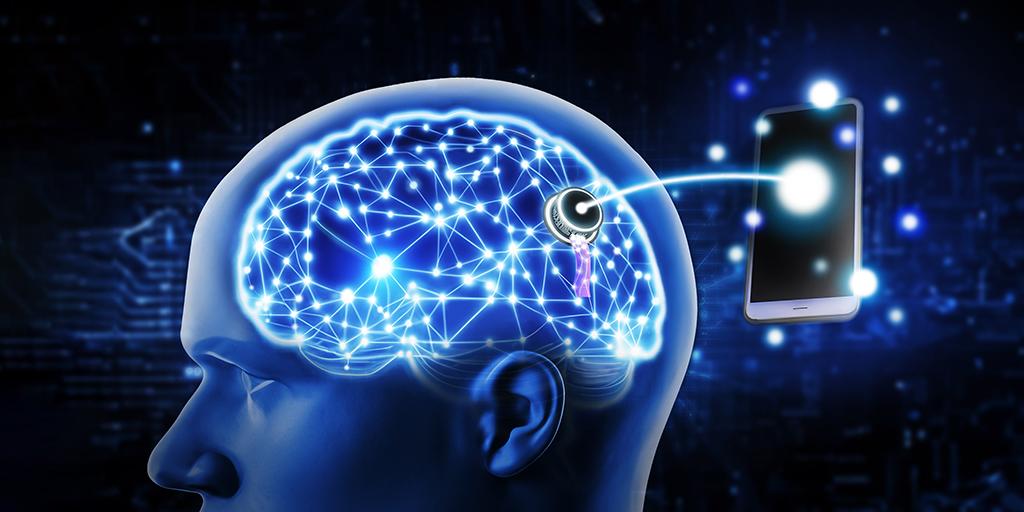
Brain Rot: A Coming Reality?
Smartphones have become indispensable tools in modern life, but their constant presence may be reshaping how we think, remember, and feel. Researchers are increasingly concerned about how the overuse of smartphones affects cognitive function (Smithsonian Magazine, September 12, 2025). The brain thrives on focused attention and deep processing, yet smartphones encourage the opposite—fragmented focus, constant multitasking, and shallow engagement. Notifications, endless scrolling, and app-switching train the brain to flit from one stimulus to another, weakening working memory and reducing our ability to concentrate. Over time, this can erode mental sharpness and make it harder to retain information without digital assistance.
Dependence on smartphones for navigation, reminders, and even basic facts means we’re outsourcing memory. This isn’t inherently bad—tools have always extended human capability. But when reliance becomes habitual, the brain changes. Neuroplasticity ensures that repeated behaviors shape neural pathways. If we continually defer to devices, we may lose the mental discipline to recall, reason, or reflect without them. This shift doesn’t destroy the brain, but it does change how it functions. Mental health is also part of the equation, as excessive screen time, especially on social media, has been linked to increased anxiety, depression, and sleep disruption. The constant information overload can leave users feeling drained and disconnected. Young people are especially vulnerable, as their brains are still developing and are more susceptible to environmental influences.
Experts are not calling for a digital purge, but they do urge intentionality. Taking breaks, setting boundaries, and engaging in offline activities can help restore balance. Smartphones are powerful tools, but like any tool, they must be used wisely. The goal is not to fear technology, but to direct our attention, memory, and emotional health with care—recognizing that what we practice, we become. You can learn more by reading “Will A.I. Save or Destroy Us?”