


To use our advanced search functionality (to search for terms in specific content), please use syntax such as the following examples:
- Armageddon Magazine Article
- Apology Commentary
- Europe News & Prophecy
- Christmas Telecast
- Baptism Booklet
- Sabbath Roderick C. Meredith
- Abortion Gerald Weston
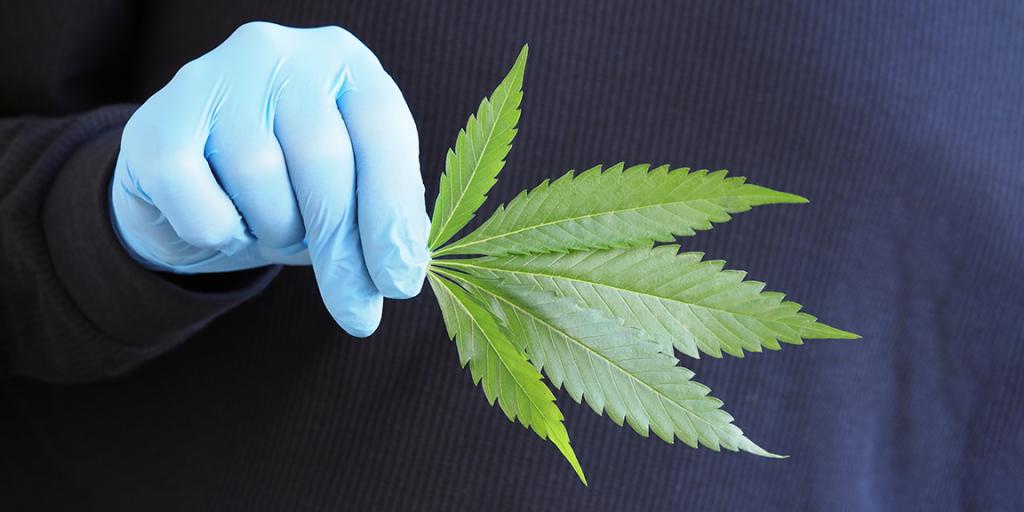
Is Marijuana as Beneficial as People Think It Is?
A review published in the internationally respected Journal of the American Medical Association analyzed 2,500 studies published within the past two decades on the risks and benefits of marijuana use (ScienceDaily.com, December 12, 2025). According to the paper’s lead author, “While many people turn to cannabis seeking relief, our review highlights significant gaps between public perception and scientific evidence regarding its effectiveness for most medical conditions.” Only pharmaceutical-grade cannabis approved by the U.S. Food and Drug Administration was successful in treatments—and within only a very narrow group of conditions, “including HIV/AIDS-related appetite loss, chemotherapy-induced nausea and vomiting and severe pediatric seizure disorders such as Dravet syndrome and Lennox-Gastaut syndrome.” For many other health problems for which marijuana is taken, the evidence of its effectiveness “remains uncertain or insufficient.”
Instead, there is increasing evidence of problems associated with cannabis. These include “higher rates of psychotic symptoms and generalized anxiety disorder” among adolescents who use it. Nearly a third of cannabis users “met the criteria for cannabis use disorder.” Daily marijuana use appears to “contribute to cardiovascular problems, including elevated risks of coronary heart disease, heart attack and stroke.” The drug touted to be highly effective in treating a host of conditions and to have very few side effects appears to be minimally effective at treating a very small group of conditions and brings significant risks for those who use it—especially those who use it daily!
Many in society avoid the need to turn to God as their Rock and Fortress, instead turning to harmful substances like marijuana for help and escape. You can learn more about this misunderstood substance by reading or listening to Marijuana: What They Aren’t Telling You.