


To use our advanced search functionality (to search for terms in specific content), please use syntax such as the following examples:
- Armageddon Magazine Article
- Apology Commentary
- Europe News & Prophecy
- Christmas Telecast
- Baptism Booklet
- Sabbath Roderick C. Meredith
- Abortion Gerald Weston
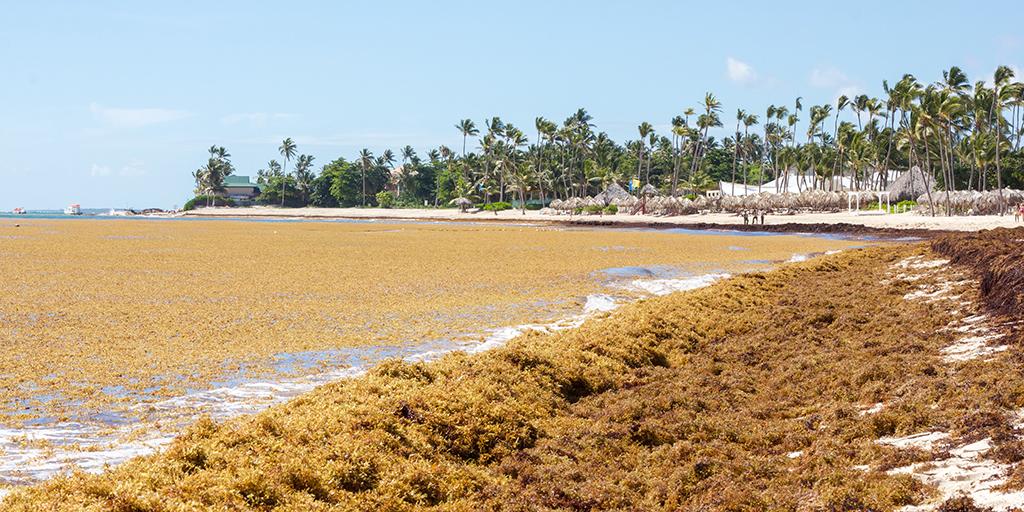
Sargassum Seaweed Invasion
Sargassum seaweed gets its name from the Sargasso Sea—a region off the southeast coast of North America. However, the seaweed today moves across the Atlantic from the west coast of Africa to the Caribbean. The last couple years have seen a massive explosion in the amount of Sargassum seaweed impacting coasts of the Caribbean, Mexico, Florida, and Texas (AccuWeather.com, June 2, 2026). While sargassum seaweed is a wonderful breeding ground for turtles, fish, and birds, it can cause massive problems on and near the seashore. When it washes up on shore and begins breaking down, sargassum seaweed gives off both ammonia and hydrogen sulfide. Not only do these gases produce an unpleasant stench, but they also can result in respiratory problems and skin irritation in humans. Additionally, “rotting seaweed smothers coral reefs, seagrass beds, and mangroves, putting entire marine ecosystems at risk” (DCNANature.org, June 12, 2025).
Scientists are not entirely sure why sargassum seaweed has become more devastating in recent years. Recent droughts followed by extreme precipitation events have caused “high concentrations of phosphorus” to flow from the Amazon River into the Atlantic, which seems to have fueled the growth of the seaweed (ABC News, June 5, 2025). When sargassum decomposes and rots in the water, it creates “dead zones” that are hazardous to fish and other animals. One researcher said that the large sargassum bloom of 2025 may have been, itself, the source of the new bloom in 2026, suggesting the possibility that it has grown large enough to be self-sustaining in areas (Associated Press, July 31, 2026).
As Bible prophecy marches on, we seem to be witnessing far greater and more wide-reaching environmental disasters. The sargassum seaweed crisis is beginning to cause real damage and seems poised to get worse in the near future. Why do such events occur? And why do they seem to be on the increase? To learn more, be sure to read or listen to Acts of God: Why Natural Disasters?