


To use our advanced search functionality (to search for terms in specific content), please use syntax such as the following examples:
- Armageddon Magazine Article
- Apology Commentary
- Europe News & Prophecy
- Christmas Telecast
- Baptism Booklet
- Sabbath Roderick C. Meredith
- Abortion Gerald Weston
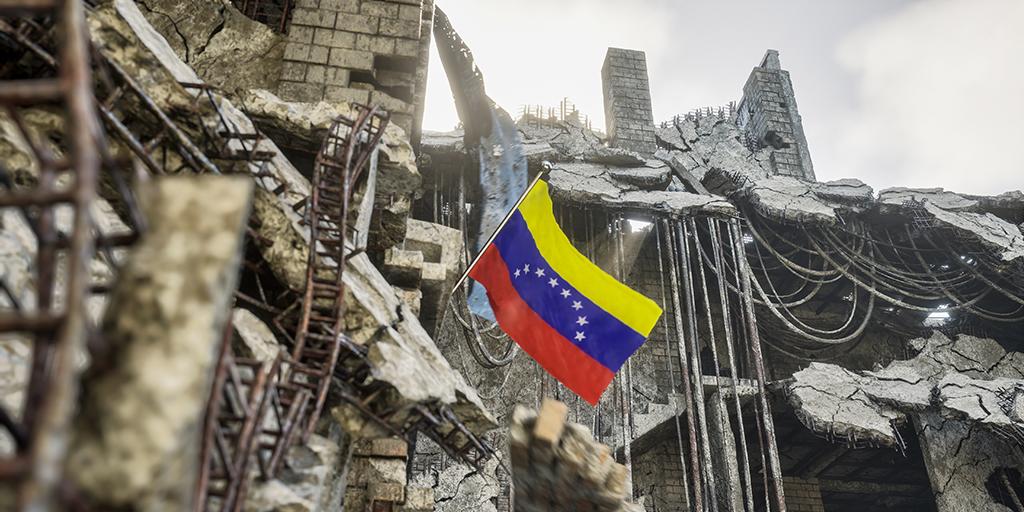
Devastation and Destruction in Venezuela
Just over a week ago, twin earthquakes struck Venezuela, not far from its capital city of Caracas. According to an initial review of satellite data, more than 58,000 buildings may have been damaged or destroyed (The Guardian, June 30, 2026). At the time of this writing, thousands have been reported dead, tens of thousands are still missing, and experts estimate as many as 6.8 million may require food, water, shelter, sanitation, and medical care. The specter of infectious disease looms as people lack access to clean water and sanitation, and their risk of contracting mosquito-borne diseases is higher while they lack proper shelter. Medical facilities are inundated and understaffed as doctors and nurses try to work through the carnage. A lack of machinery has hampered efforts to dig through the rubble.
“More than 500 aftershocks have been recorded in the country since the two successive earthquakes” (BBC, June 29, 2026), and every aftershock weakens the foundations of already-tottering buildings. “More than 25,000 emergency workers, police officers and soldiers” have been deployed, yet many civilians digging through the rubble with their hands, looking for missing loved ones, feel the government is not doing enough to assist.
Far more suffering and death will be uncovered in the weeks and months ahead, and followers of Christ should pray for those in Venezuela. Such destructive disasters raise the question, Why does God allow suffering? If a loving God is really in charge of the universe, why does He not prevent such awful events? There is an answer! You can find it by watching “Why Suffering Exists.”