


To use our advanced search functionality (to search for terms in specific content), please use syntax such as the following examples:
- Armageddon Magazine Article
- Apology Commentary
- Europe News & Prophecy
- Christmas Telecast
- Baptism Booklet
- Sabbath Roderick C. Meredith
- Abortion Gerald Weston
The Changing Focus of Women and Men
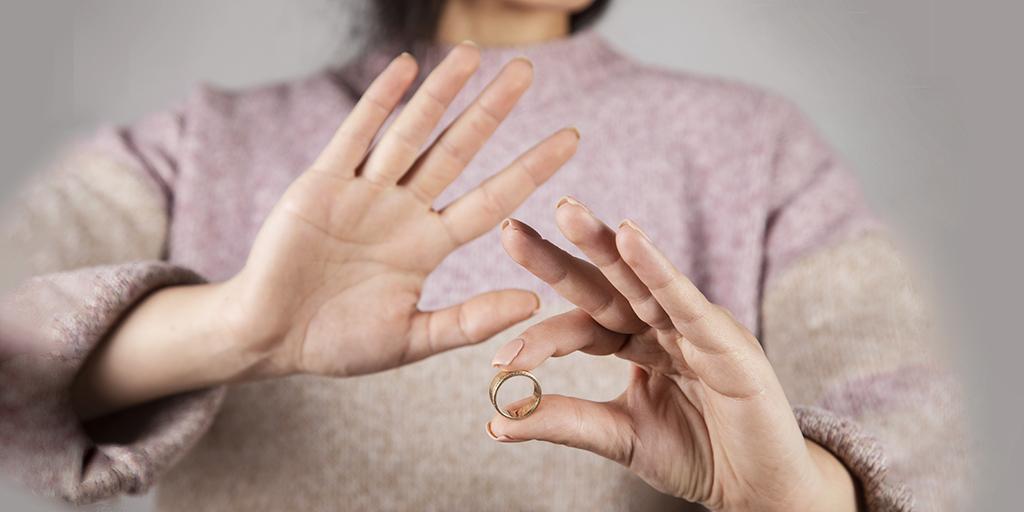
In the United States, about 69 percent of adults aged 18 to 34 who have never been married express a desire to marry someday (Pew Research Center, February 15, 2024). Additionally, only about half desire to become parents one day—unlike decades ago, when most young adults desired both marriage and children. Only 20 percent of young adults think it is very important to be married to have a fulfilling life. And just 22 percent feel it is very important to have children.
A related study found that, while 80 percent of U.S. twelfth-grade students in 1993 said they wanted to be married one day, that number fell to 67 percent over the next thirty years (Pew Research Center, November 14, 2025). Concerning parenthood, the percentage of twelfth graders wanting to have children one day fell over that same period from 64 percent to 48 percent. Even more striking is the change among girls. In 2023, significantly more boys expressed desire to marry one day than girls (74 percent vs. 61 percent). While “the share of boys saying this is virtually unchanged over the 30-year period… the share among girls dropped by 22 percentage points.”
Over the last several decades, women greatly surpassed men in university graduation rates and as a percentage of the employed workforce (The Atlantic, July/August 2010). Women are also increasingly disinterested in marriage and family. During the same time, rates of depression among women aged 15 to 49 increased markedly, demonstrating their increased unhappiness (BMC Psychiatry, March 20, 2025). Could there be a connection? You can learn more about the principles that speak to these powerful trends by watching “The Effects of Feminism: 50 Years Later.”