


To use our advanced search functionality (to search for terms in specific content), please use syntax such as the following examples:
- Armageddon Magazine Article
- Apology Commentary
- Europe News & Prophecy
- Christmas Telecast
- Baptism Booklet
- Sabbath Roderick C. Meredith
- Abortion Gerald Weston
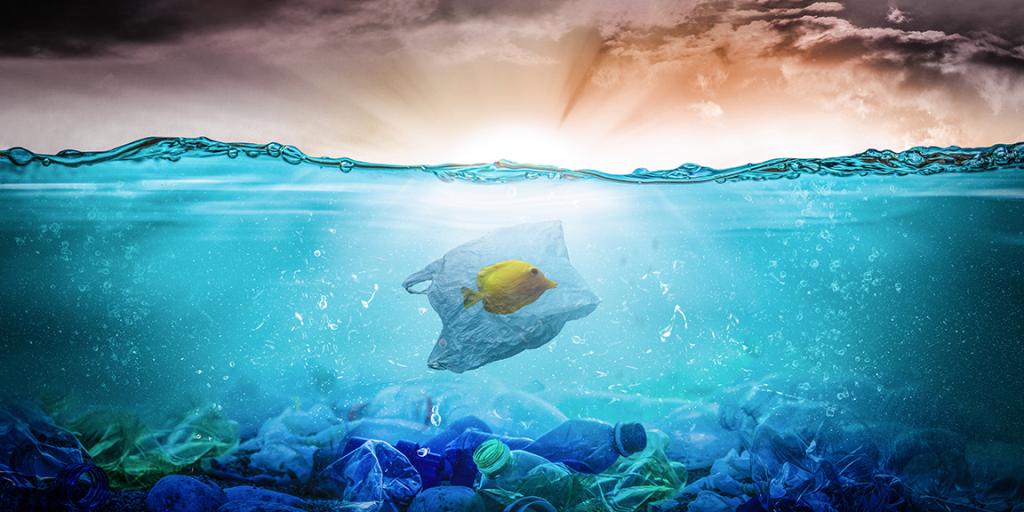
The Great Pacific Garbage Patch
Out in the Pacific Ocean is the “Great Pacific Garbage Patch,” a swirl of plastic trash more than twice the size of Texas or three times the size of France (CNN, April 18, 2023). An astonishing 1.15 to 2.41 million tonnes of plastic find their way into the ocean from rivers every year (Nature Communications, June 7, 2017). Microplastics float on the surface but also exist in water columns that reach to the ocean floor. These plastics damage the health and safety of marine animals and of humans. When plastics accumulate in smaller marine species, they are eaten by larger fish and finally end up on our own dinner plates. Due to the size and color of plastics, sea animals often mistake them for food. And the Garbage Patch—alongside landfills, roadside litter, and car tires—contributes to the dangerous microplastics and nanoplastics in the air we breathe.
Loggerhead sea turtles mistake plastic bags for jellyfish, among their favorite foods. Albatrosses mistake plastic pellets for fish eggs and feed them to their chicks, making them vulnerable to starvation or ruptured organs. Plastic fishing nets from illegal fishing can trap and sometimes drown seals and other mammals.
This sad ecological reality brings to mind the Apostle Paul’s lament in Romans 8:19–21. God’s creation has been polluted and decimated. However, there is real hope ahead when the earth and its creatures will be liberated from their current bondage and the world will be restored to its intended splendor. You can learn more about the coming restoration of our planet from our free study guide The World Ahead: What Will It Be Like?