


To use our advanced search functionality (to search for terms in specific content), please use syntax such as the following examples:
- Armageddon Magazine Article
- Apology Commentary
- Europe News & Prophecy
- Christmas Telecast
- Baptism Booklet
- Sabbath Roderick C. Meredith
- Abortion Gerald Weston
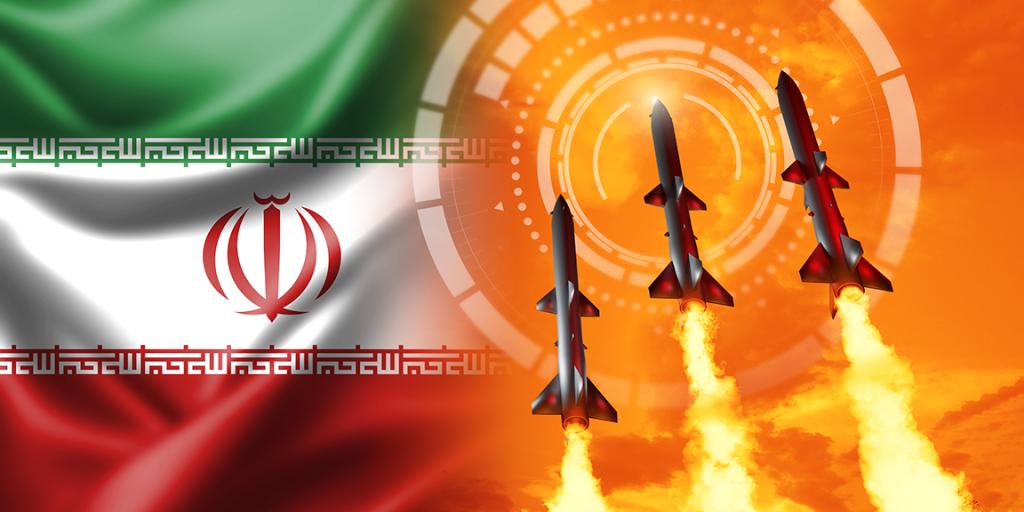
Iran and the World Order
On February 28, Israel and the United States began a major bombardment of Iran. Initial strikes killed Iran’s supreme leader and many top Iranian government officials and generals. In response, “Iran and its proxies have sought to counter the intensive joint US and Israeli offensive with more than 1,000 strikes against targets across almost a dozen countries spread over 1,200 miles” (The Guardian, March 3, 2026). The countries attacked are hosts of U.S. military bases and include members of the Gulf Cooperation Council such as Bahrain, Kuwait, Saudi Arabia, Qatar, Oman, and the United Arab Emirates (Reuters, March 2, 2026).
Where will this all lead? As one source noted, “Even if the fighting stops soon, the era of hedging with Iran is over. And a more guarded, security-driven Gulf lies ahead” (Reuters, March 4, 2026). While leaders in Iran have claimed that these events constitute an “open declaration of war against Muslims”(Al Jazeera, March 1, 2026) in the hopes of rallying their Muslim neighbors behind them, their choice to attack their neighbors may instead have the effect of uniting said neighbors against them. In addition, Germany, France, and the United Kingdom have warned that in defending their allies in the region, they may use force to destroy the source of missiles and drones being launched within Iran (Bundesregierung.de, March 1, 2026).
While we cannot know precise details, Bible prophecy declares that a confederation of Middle Eastern nations called “the king of the South” will eventually gather in opposition to a northern, European force (Daniel 11:5–40). You can learn more about the prophesied future of the Middle East by watching “The Three End-Time Superpowers.”