


To use our advanced search functionality (to search for terms in specific content), please use syntax such as the following examples:
- Armageddon Magazine Article
- Apology Commentary
- Europe News & Prophecy
- Christmas Telecast
- Baptism Booklet
- Sabbath Roderick C. Meredith
- Abortion Gerald Weston
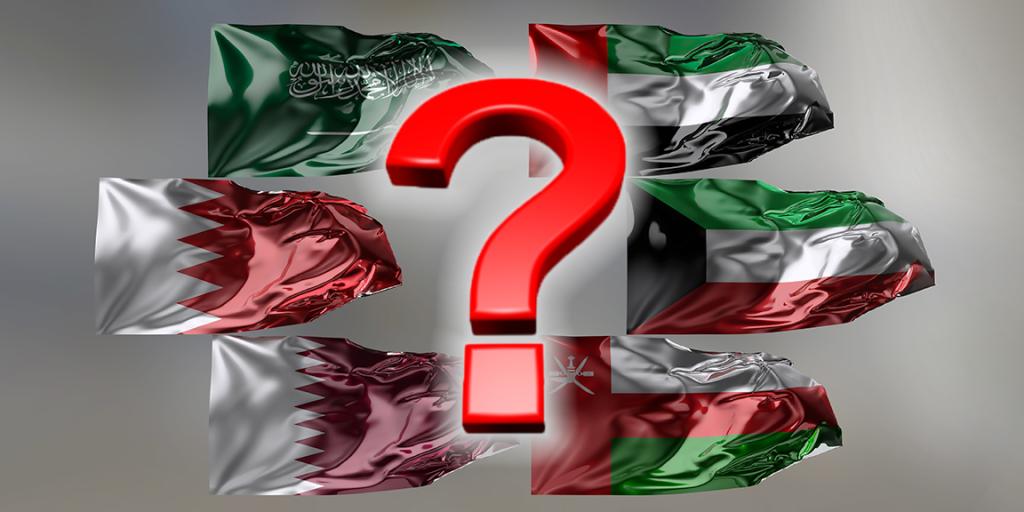
How Long Can Gulf States Remain Neutral?
“Gulf Arab states did not ask the U.S. to go to war with Iran, but many are now urging it not to stop short by leaving the Islamic Republic still able to threaten the Gulf’s oil lifeline and the economies that depend on it” (Reuters, March 16, 2026). While the Arab Gulf states initially expressed support for Iran’s sovereignty against Israeli and U.S. attacks, now that Iran has attacked each country repeatedly, including their energy infrastructures, the nation is becoming the enemy of all. Abdulaziz Sager, chairman of the Saudi-based Gulf Research Center, noted, “At first we defended them and opposed the war…. But once they began directing strikes at us, they became an enemy. There is no other way to classify them.”
Iran has repeatedly attacked airports, oil facilities, ports, and commercial hubs across the six Gulf states (Bahrain, Kuwait, Qatar, Saudi Arabia, Oman, and the United Arab Emirates) on the declared basis that they are U.S. allies in one way or another. Yet Gulf states still refuse to be drawn into the war. Each of the six nations may be making the calculation that their contributions would do little to hasten the war’s conclusion while only intensifying retaliation from Iran—but the repeated attacks have prompted these states to encourage the U.S. and Israel to totally disable Iran so it cannot continue to control the Strait of Hormuz and further destabilize the region.
Iran’s repeated actions may push other nations to get involved as oil becomes increasingly scarce and costs rise. As the Middle East powder keg continues to heat up, what should we expect? Will peace always be impossible in the Middle East? You can learn the answers by watching our telecast “Peace in the Middle East?”