


To use our advanced search functionality (to search for terms in specific content), please use syntax such as the following examples:
- Armageddon Magazine Article
- Apology Commentary
- Europe News & Prophecy
- Christmas Telecast
- Baptism Booklet
- Sabbath Roderick C. Meredith
- Abortion Gerald Weston
Let Jesus Teach You How to Pray
Let Jesus Teach You How to Pray
Want a closer walk with God? Start with your prayer life—using these 7 simple steps from Matthew 6. You can draw near to God—when you learn how to pray as Jesus intended from the model prayer.
[The text below represents an edited transcript of this Tomorrow’s World program.]
How to Pray to God
Many people believe prayer is important—and they’re right. But for someone new to prayer, it can be hard to know how to start or what to say. And if we’re honest, even those of us who are more experienced can sometimes struggle.
But there is good news. Because the One Person throughout human history who’s had the closest and most intimate relationship with God offers to teach us how to pray. And if we’ll listen to Him, the door to a deeper and more personal relationship with God through prayer opens wide.
There are few things more important than regular communication with your Father in heaven. Yet prayer doesn’t exactly come naturally.
After all, we can’t see God. When we talk with Him, He generally doesn’t talk back. There might be times when we feel as though God is virtually in the room with us, but then other times when it feels as if no one is listening.
It doesn’t help that the cacophony of “Christianities” out there teach so many different things about prayer. Some recommend uttering memorized prayers. Some recommend praying to intermediaries, such as angels or supposed “saints.” Others suggest that the most powerful prayers are uttered in nonsensical “tongues” that no one understands.
Some of us have basic questions about prayer, but we’re too embarrassed to ask—even though we shouldn’t be. How do you start a prayer? What do you say? What should you ask about?
All of those are good questions. And if you’re beginning to ask those questions, God is delighted that you want to know.
“Lord, Teach Us to Pray”
In fact, Jesus’ own disciples also asked to know. Let’s read about it in Luke 11:1.
Now it came to pass, as He was praying in a certain place, when He ceased, that one of His disciples said to Him, “Lord, teach us to pray, as John also taught his disciples.”
So He taught them and, because His answer to their question was recorded for us, that means Jesus’ instruction to them can become His instruction to us, as well. And there’s no greater teacher of prayer than Jesus Christ Himself.
We read more details about what He taught in Matthew’s account of the same teaching. We see it there in chapter 6, beginning in verse 5. There He says:
“When you pray, you shall not be like the hypocrites. For they love to pray standing in the synagogues and on the corners of the streets, that they may be seen by men. Assuredly, I say to you, they have their reward” (Matthew 6:5).
He’s not saying that public prayer under some circumstances is bad. The Bible has multiple examples of public prayers, including some from Jesus Himself. He is saying here, though, that we must guard against seeing our prayers as a means of impressing others. Instead, our regular, daily prayers are meant to be private, between ourselves and God.
He explains this in more detail, beginning in verse 6; “But you, when you pray, go into your room, and when you have shut your door, pray to your Father who is in the secret place; and your Father who sees in secret will reward you openly” (Matthew 6:6).
Note, Jesus suggests finding a private place for your routine and regular prayer. That way, your prayer is a matter between you and God, alone. This doesn’t mean that prayer with a spouse or children is inappropriate. Not at all. In fact, praying with children is a wonderful way for them to learn how to do it themselves.
But again, prayer is not for show. It’s about intimate communication with your Creator. He adds another important element to this in the next verse.
“And when you pray, do not use vain repetitions as the heathen do. For they think that they will be heard for their many words” (Matthew 6:7).
We don’t build an intimate relationship with anyone by repeating lines like a character in a play. Prayer is real communication with God, not some sort of routine “spell” we cast with the same words time after time.
This is a little ironic, because the passage that follows is often called “The Lord’s Prayer,” and is repeated by many as if that repetition of the exact words, like a script, is equivalent to prayer like Jesus taught. But such an approach violates the very instruction of the passage, not to mention the collected body of examples in Scripture.
Rather, what Jesus did for them in the verses that follow—and what He does for us—represents a model prayer—a prayer that we can learn from so we can know how to pray ourselves.
7 Things Jesus Taught Us to Pray
And in Jesus’ model prayer that He used to teach His disciples, we find seven helpful elements that we should employ in our own prayers, as well.
Jesus has already taught us about the best environment for prayer, as well as what not to do. Now let’s dive right into His model prayer to learn what we should do.
1. Pray to God Directly
First, notice how Jesus begins the prayer. Let’s continue reading in Matthew 6:9.
“In this manner, therefore, pray: Our Father in heaven…”
Now let’s stop right there, because He’s already taught us something important.
Notice that Jesus addresses God directly and focuses His prayer on His Father in Heaven. He doesn’t begin with His own needs, wants, or desires. He focuses on God. And He calls Him “Father.” A prayer is an appeal to your Father in heaven, and it is rooted in a relationship with Him.
And notice, too, it is a prayer made directly to God. Those who teach a need to go through some sort of lower beings, praying to angels or imagined saints in heaven, are simply contradicting God’s word and Jesus’ own example and instruction.
In several passages, Jesus speaks of asking the Father directly (John 15:16, John 16:23). Later, the Apostle Paul tells us that we may “come boldly to [God’s] throne of grace” (Hebrews 4:16)—the promise of direct access. Those who teach you to pray to lesser beings than God are deceiving you, however innocently, and they should be completely ignored.
Of course, Jesus is in heaven, and He, too, is God. And we do see the example of the martyr Stephen asking Jesus to receive His spirit right before His death. The Son of God is God, just as the Father is God—together, they are the Family of God.
Yet, there is a reason Stephen’s prayer is rare in Scripture. Our prayers should primarily be directed to God the Father, just as Jesus teaches.
And addressing God directly, our Creator and Life-Giver, at the very start of our prayer, putting our attention on Him, not ourselves, helps to set our mind in the right place in our prayer from the very beginning.
2. Praise God and Treat Him with Reverence
The next element of prayer Jesus teaches us helps to deepen that frame of mind. Let’s continue in Matthew 6:9.
“Our Father in Heaven, hallowed be Your name.”
Here in the model prayer, Jesus teaches us the next element: Praise and honor God.
To hallow something is to consider it holy and treat it with great reverence. And God’s name represents His character, His goodness, and His majesty.
Jesus addresses His Father in heaven and, again, rather than launching into all He wants or needs, He begins by praising God. In our prayers, we should spend the earliest moments reflecting on just who it is we are addressing: Mentioning and thanking Him for His goodness and His mercy, for His power and glory—addressing Him in a manner that shows our understanding that He is holy, righteous, and perfect, ever-living, ever-loving, ever-wise, and ever-mindful of His creation.
As Isaiah 57 calls Him:
The High and Lofty One Who inhabits eternity, whose name is Holy (Isaiah 57:15).
Beginning our prayer by praising God helps us to see all we are about to say and ask in perspective. It reminds us of just Who is listening to our prayers, so that we stay respectful and humble. It reminds us that He has the power to respond to our prayers—yet also reminds us that He is infinitely wiser than we are, and that we can trust Him with our burdens, knowing that He knows what is right to do with our requests, that He knows when to answer them with a “yes” or even with a “no.”
Beginning with praise, hallowing the name of God, helps to give us the right perspective and puts us in the right mindset for speaking with the Almighty Regent of Heaven and Earth.
3. Seek the Kingdom of God—and God’s Will
What does Jesus teach us next? Let’s continue to listen to Him. The next part of His model prayer continues in Matthew 6:10. After praising God, He says:
“Your kingdom come. Your will be done on earth as it is in heaven.”
So, He teaches us next to seek God’s Kingdom and will.
In this, Jesus pictures in His model prayer the same admonition He tells all of us later in verse 33 of the same chapter:
“But seek first the kingdom of God and His righteousness, and all these things shall be added to you” (Matthew 6:33).
And before He has made a single personal request of God, in His model prayer He does just that—expresses His desire for God’s Kingdom.
And truly, with all the tragedy, heartbreak, and turmoil that surrounds us these days, our hearts should be driven to want God’s Kingdom to come as soon as it possibly could.
Yet seeking the Kingdom of God is more than just seeking a paradise on earth. It is desiring God’s will in all things, over and above our own—hence the remainder of this verse.
Your will be done on earth as it is in heaven.
Jesus tells us that early in our prayer, we should assure God that we seek His will more than we seek our own. We want His Kingdom to reign, not the world around us—and we want His will to be followed and accomplished in this world, not our own.
This element of prayer can include praying for the preaching of the Gospel of the Kingdom of God in this world, such as praying for this program and its success. And praying for the humility, strength, and courage to accomplish in our own lives what the Kingdom will help the entire world to do—prioritize God’s will, desires, and plans above our own.
Jesus Himself perfectly exemplified this attitude in the Garden of Gethsemane, before His crucifixion, when He said:
“Nevertheless not My will, but Yours, be done” (Luke 22:42).
Highlighting to God at the beginning of our prayer that His Kingdom matters more to us than what this world offers and that His will is more important to us than our own will helps our mindset tremendously, allowing us to make our personal requests known to Him in an atmosphere that tells Him we trust Him to make the calls—in our lives, and in the world.
4. “Give Us This Day Our Daily Bread”
Continuing in His model prayer, He says in verse 11:
“Give us this day our daily bread” (Matthew 6:11).
Here we see Jesus teaching us to depend on God for our daily needs.
Note: Almost half of the model prayer so far has been focused on God—His greatness and goodness, His Kingdom, and the importance of His will in all things, even more than our own. This provides the context for this request, a reflection that we need Him to provide our daily needs.
And of course, it isn’t just about bread. Our needs can vary widely. Our health, our finances, our work and family—we have needs on many levels. And “our” is plural: Our loved ones have needs, as well. Yet as a staple of life, the use of bread in the model prayer helps to symbolize all we physically need.
There are many things to notice in this element of prayer. It shows God that:
- We do not take our daily needs for granted. We look to Him to provide them, knowing that only He has the dependable power to do so.
- Also, there’s a humility in the request. It isn’t for a life of luxury, leisure, and extravagance. Instead, it is a request for the things we truly need to sustain us.
- And it is a daily request, recognizing that tomorrow we will come again before Him to ask for the needs of that day.
It is not that we cannot set before God larger hopes and dreams. God is a father, and any good father loves to hear his child’s wishes and desires. Yet the model prayer teaches us that, at the heart of such things, we should be content with God satisfying our needs, versus being obsessed with our wants. Our earlier focus on God’s graciousness and goodness helps us to trust that in making our requests, He hears them and will take them seriously. And in promises such as we read in Matthew 6:33, we can trust that, if we sincerely put His Kingdom first in our prayer, as Jesus taught us, then we can trust that all things we need shall be added to us.
And our needs are far more than physical, as we’ll see.
5. Ask Forgiveness—and Be Willing to Forgive
Let’s continue in verse 12. After asking for our daily bread, the prayer continues:
“And forgive us our debts, as we forgive our debtors” (Matthew 6:12).
Yes, we should not take our standing before God for granted. Jesus teaches us to ask God for forgiveness of our sins. And we need it.
Romans 3:23 tells us that:
All have sinned and fall short of the glory of God.
And 1 John 1:8 says that:
If we say that we have no sin, we deceive ourselves, and the truth is not in us.
Yet, if we’ve been baptized and had hands laid on us by a minister of Jesus Christ, the blood of Christ, the Lamb of God, washes away the sins we’ve committed, as we seek God repentantly with a heart desiring to turn from those sins.
If you’re interested in understanding more about what it means to turn to God in true repentance, one of our representatives can get in touch with you. Just mention you’re interested when you request today’s free material about prayer. Or go to TomorrowsWorld.org to reach out online.
This element of the model prayer reminds us that we do not take God’s forgiveness for granted and requests that God continue to wash us clean through the sacrifice of Christ.
And note, too, that Jesus attaches our own forgiveness to our willingness to forgive others. Many ignore this fact to their spiritual peril. Christ explains it a little later in Matthew 6.
“For if you forgive men their trespasses, your heavenly Father will also forgive you. But if you do not forgive men their trespasses, neither will your Father forgive your trespasses” (Matthew 6:14–15).
Jesus explains that if we truly want forgiveness for our sins and wrongdoings, we must forgive those who’ve wronged us. And if we find that hard—as it certainly can be—a request to our Father in heaven to help us forgive others is a fitting addition to our prayers. After all, when it comes to forgiveness, He’s the expert.
6. Ask God for Spiritual Protection
Next in the model prayer, Jesus teaches us another area in which we should seek God’s help. Let’s continue the prayer in verse 13 of Matthew 6.
“And do not lead us into temptation, but deliver us from the evil one” (Matthew 6:13).
Now notice, Jesus isn’t just teaching us to ask for God’s protection from the dangerous elements of this world, though such requests are indeed daily physical needs that fit within the earlier area of prayer we discussed concerning “daily bread.” Rather, Jesus teaches us here to ask God for spiritual protection—to go directly to God and to ask Him to help us avoid temptations that may lead us astray into sins, taking us further from Him in our daily walk, instead of drawing us closer.
This does not mean that when trials come God has somehow failed. Many places in Scripture highlight the important role that trials play in our spiritual growth, testing our faith and helping us to grow in patience.
But just as any child would want his father to protect him from pitfalls and traps, we should directly ask God to preserve us spiritually from falling into temptation’s snares. Consider the Apostle Paul’s admonition in his first letter to the Corinthians (1 Corinthians 10:12–13).
Therefore let him who thinks he stands take heed lest he fall. No temptation has overtaken you except such as is common to man; but God is faithful, who will not allow you to be tempted beyond what you are able, but with the temptation will also make the way of escape, that you may be able to bear it.
Paul encouraged the Corinthians not to take their spiritual safety for granted, but to desire God’s help with temptation.
And concerning the evil one, the Apostle Peter told his own readers (in 1 Peter 5:8):
Be sober, be vigilant; because your adversary the devil walks about like a roaring lion, seeking whom he may devour.
These spiritual dangers are more important than even the physical dangers this world throws at us. And Jesus teaches us not to ignore them in our prayers, but to actively ask God for spiritual protection from these dangers.
7. Honor God Again When You End Your Prayer
And now we come to His conclusion to the prayer—and it may seem somewhat familiar. After asking for spiritual protection in the model prayer, we read His final element in Matthew 6:13.
“For Yours is the kingdom and the power and the glory forever. Amen.”
Recall how, in the earliest part of the model prayer, Jesus focused us on God, not ourselves, and on God’s Kingdom, not the world around us. And here at the conclusion, He teaches us to end our prayer as it began, magnifying God’s greatness and glory.
Such words provide vital perspective. When we enter prayer, our task is to set our minds on higher things—even in our seemingly mundane, physical requests, we seek to do so with a higher perspective.
And we conclude our prayer with this focus on God, His greatness, and His Kingdom, once again. It helps us to remember that this higher, greater perspective is not just for when we are on our knees before God. It is the perspective we take from His presence to carry throughout our lives—just as our Savior did 2,000 years ago.
And when we hold God in right perspective, in prayer and in life, all other things fall into right perspective as well.
There is nothing more important in this life than building a relationship with God. And Jesus Christ knew that. And He ensured that this model prayer would be recorded forever, not just to teach and guide His followers in the first century, but to teach and guide His followers in the 21st century, as well.
Thanks for watching. If you found this video helpful, check out more of our content or hit subscribe to stay up to date on what we publish. And if you want the free study guide related to this topic, just click the link in the description. We’ll see you next time.
How to Pray: 7 Lessons from the Lord’s Prayer
- Pray to God Directly
- Praise God and Treat Him with Reverence
- Seek the Kingdom of God—and God’s Will
- “Give Us This Day Our Daily Bread”
- Ask Forgiveness—and Be Willing to Forgive
- Ask God for Spiritual Protection
- Honor God Again When You End Your Prayer
This Week's Free Telecast Offer
Twelve Keys to Answered Prayer
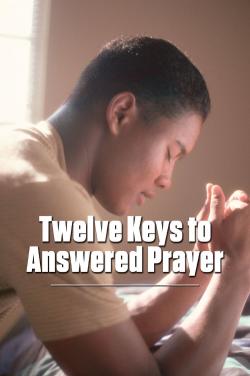
Have you ever wondered, "Why doesn't God answer my prayers?" Do you know how to pray in a way that will get real results?


