


To use our advanced search functionality (to search for terms in specific content), please use syntax such as the following examples:
- Armageddon Magazine Article
- Apology Commentary
- Europe News & Prophecy
- Christmas Telecast
- Baptism Booklet
- Sabbath Roderick C. Meredith
- Abortion Gerald Weston
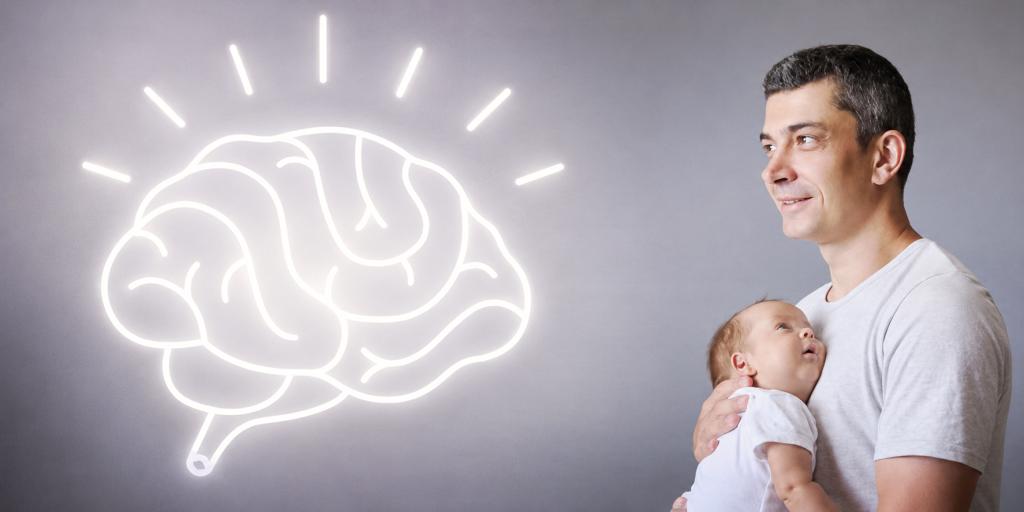
Fatherhood Changes the Brain
Not only does becoming a parent change one’s life—it also changes one’s brain, and for the better! New research is demonstrating that fathers undergo biological changes both before and after the birth of their first child, including neurological and material changes in their brain (Washington Post, June 18, 2026).
According to researcher Darby Saxbe of the University of Southern California, the largest changes in the brain of a new father occur in an area “which is important for thinking about others’ thoughts, feelings and intentions.” Essentially, these changes prepare the father to think of others’ needs more than his own. These brain changes may actually cause some of the brain’s gray matter to reduce in size, but the shrinking process is very different than in neurodegenerative diseases like Alzheimer’s. The shrinking associated with fatherhood actually results in streamlining and optimizing the brain so that fathers can more effectively parent and meet the needs of their child. Overall, researchers suggest that the neurological changes related to parenthood may actually be “beneficial and neuroprotective for the brain.”
God’s plan for mankind involves men and women marrying and producing children—something He intended from the very beginning (Genesis 1:28; 2:18). And God’s design in creation, including His design of the family, is good (Genesis 1:31). Parenting results in many blessings, and the latest research suggests that becoming a parent even positively benefits the brains of parents. What an awesome God we worship! To learn more about the larger picture that gives profound meaning to God’s design of the family, read or listen to What Is the Meaning of Life?