


To use our advanced search functionality (to search for terms in specific content), please use syntax such as the following examples:
- Armageddon Magazine Article
- Apology Commentary
- Europe News & Prophecy
- Christmas Telecast
- Baptism Booklet
- Sabbath Roderick C. Meredith
- Abortion Gerald Weston
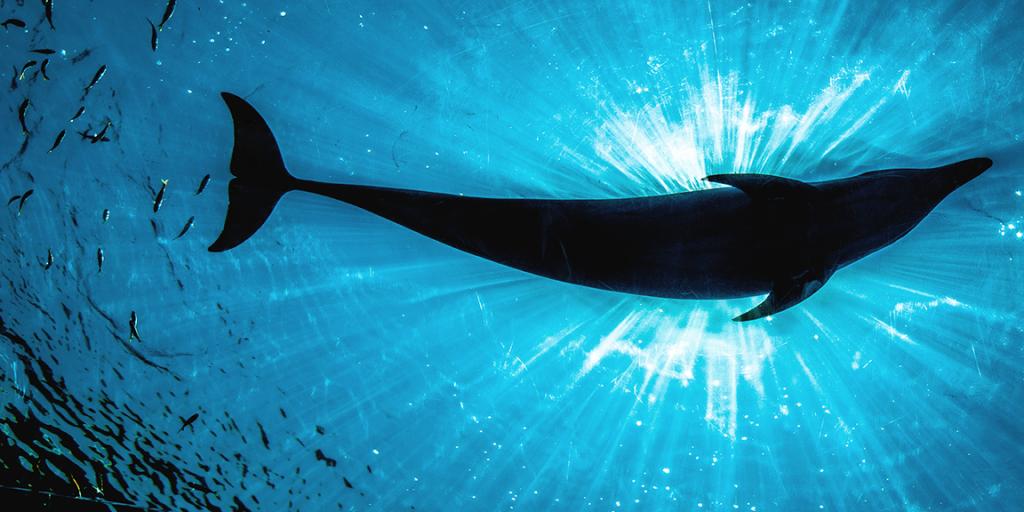
High-Tech Chemicals Found in Dolphin Brains
Each year, over 62 million tons of waste generated by discarded or broken electronic devices are generated globally (The English Chronicle, February 26, 2026). That amounts to “enough waste to fill 1.55 million 40-tonne trucks, which lined up bumper-to-bumper would encircle the equator” (Oceanographic Magazine, February 25, 2026). A recent study reveals how by-products of technology can impact marine biology, even on the subcellular and genetic level.
Scientists have observed that chemicals used in high-tech computer, television, and cell phone screens—known as liquid crystal monomers (LCMs)—have been found in ocean fish. In a study focused on the predators of these fish, Indo-Pacific humpback dolphins and finless porpoises, researchers found LCMs in the blubber, muscle, liver, kidney, and brain tissues of these animals. Finding these chemicals in dolphin brains demonstrated the ability of the chemicals to cross the blood-brain barrier. Of particular concern is that the LCM particles “were associated with gene alterations in dolphin cells, affecting DNA repair and cell division” (The English Chronicle). Scientists believe that LCMs are transmitted to dolphins through their prey and could possibly find their way into humans through contaminated seafood or drinking water.
When money is to be made, it seems little else matters—not even the contamination of creation itself. As Romans 8:19–23 notes, that creation cries out for God to save it! Thankfully, Jesus Christ will return and heal not only people, but the entirety of creation as well. You can learn more about this awesome future by reading or listening to The World Ahead: What Will It Be Like?